
Introduction: Why Start a Mini Agro Farm at Home?
Section 1: Introduction – What Does “Agro Farm” Mean?
An agro farm is a place where people grow crops, vegetables, and fruits, and sometimes raise animals. The word “agro” comes from “agriculture,” which means working with the land to produce food.
In the past, farming was done using simple tools and methods. But today, agro farming uses smarter techniques. These include using less water, caring for the soil, and avoiding harmful chemicals. Some agro farms even use machines or technology to help grow food better and faster.
You can think of an agro farm as a small system where everything works together — plants, soil, water, and sometimes animals — to produce food in a way that is good for people and for nature.
Why Are Agro Farms Important Today?
- They help grow fresh and healthy food
- They are more eco-friendly and cause less harm to nature
- They can give income and support local communities
- They make farming easier and more efficient
Simple Example
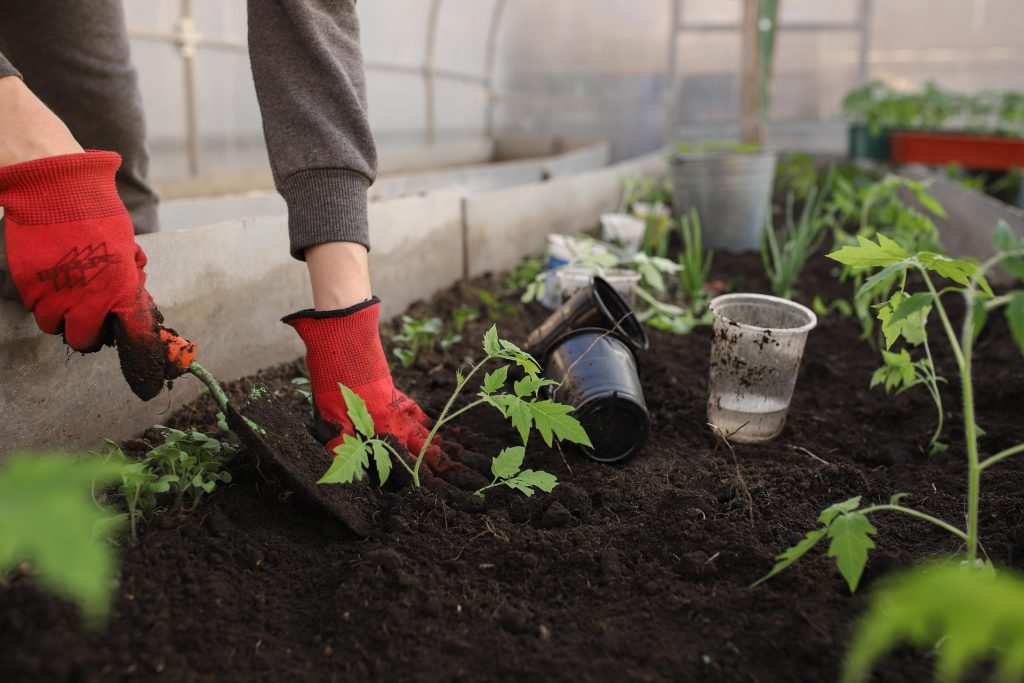
If someone grows tomatoes and spinach in their backyard, raises a few chickens, and uses compost made from kitchen waste to feed the soil — that is a small agro farm. It may be simple, but it follows the same ideas used in larger, more modern farms.
Section 2: Key Features of a Modern Agro Farm
Modern agro farms are smarter and more caring than traditional ones. They use better tools and ideas to grow food in a safe and eco-friendly way. These farms focus on saving resources, using natural methods, and growing more in less space.
1. Use of Technology
Modern agro farms use machines and smart tools to help farmers work faster and better. These tools help save water, time, and energy.
- Drip irrigation gives water slowly to plants without waste
- Soil sensors show when the land needs water
- Mobile apps help track weather and planting times
2. Natural and Organic Methods
Instead of using strong chemicals, these farms grow food in a natural way that’s safe to eat and kind to the Earth.
- Compost is made from old leaves, kitchen waste, and animal manure
- Natural sprays like neem oil keep insects away
- Rotating crops helps keep the soil healthy
3. Mixed Farming
Many agro farms grow different things together. This makes the farm stronger and gives more variety of food.
- Vegetables and fruits can grow side by side
- Chickens or goats can be raised for eggs and milk
- Some farms even keep bees or fish
4. Smart Use of Space
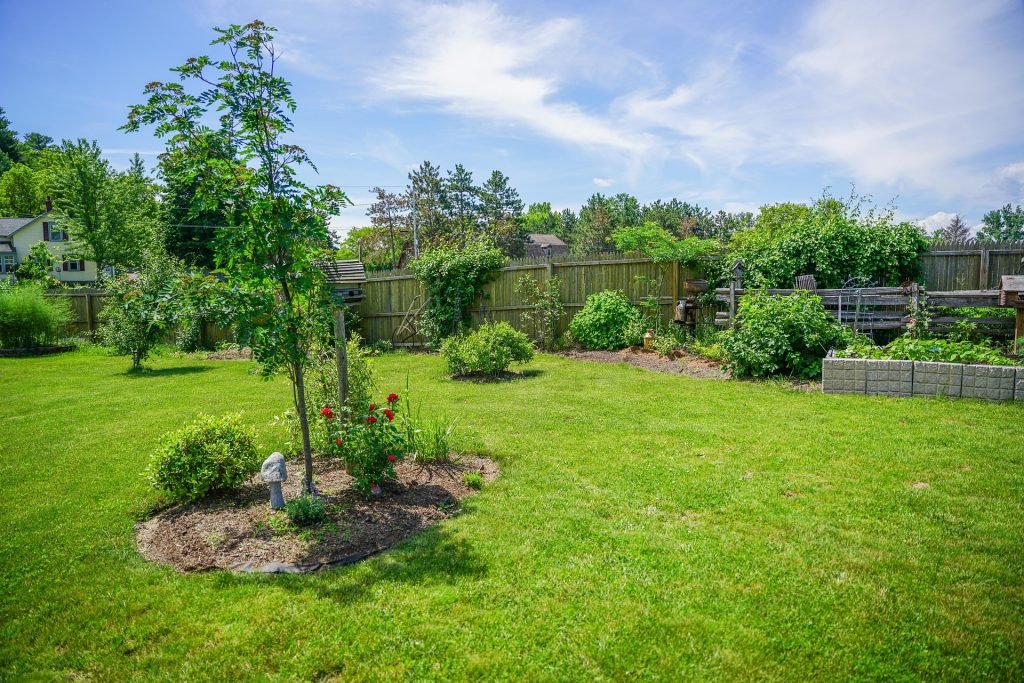
Modern agro farms can be big or small. Even a rooftop or backyard can become a farm with the right plan.
- Vertical farming means growing plants in tall shelves
- Containers and garden beds help grow crops in small areas
- Rooftop farms are used in cities where land is limited
5. Caring for Nature
These farms are built to last and take care of the Earth. They reduce waste and use clean energy whenever possible.
- Rainwater is collected and reused
- Waste is turned into compost or animal food
- Solar power is used instead of electricity
A modern agro farm is not just about growing food. It is about doing it in a smart, clean, and kind way that helps both people and nature.
Section 3: Types of Agro Farms
Not all agro farms look the same. Some are big and in open fields, while others are small and even fit in a backyard. Different farms grow different things, depending on the land, weather, and purpose. Here are some common types of agro farms:
1. Crop-Based Farms
These farms mainly grow plants like grains, vegetables, and fruits. Farmers focus on soil health, sunlight, and water to grow crops naturally.
- Rice, wheat, maize, or millet
- Seasonal vegetables like tomatoes, spinach, or beans
- Fruits like mangoes, bananas, or apples
2. Animal-Based Farms
Some agro farms raise animals along with or instead of crops. These animals provide milk, meat, eggs, or even natural fertilizer.
- Dairy farms with cows or goats
- Poultry farms with chickens for eggs and meat
- Fish farms or beekeeping for honey and fish
3. Mixed Farming (Plants + Animals)
Many modern agro farms combine both crops and animals. This type is common because animal waste helps plants grow, and plant waste can feed animals.
- A farmer grows vegetables and keeps a few chickens
- Goat droppings are used as natural fertilizer for the soil
- It creates a balance and reduces waste
4. Organic Farms
These farms grow everything naturally without using chemicals. They use compost, natural sprays, and traditional methods to keep the soil healthy and the food safe.
- Use of homemade compost and mulch
- Neem oil and friendly bugs for pest control
- No chemical fertilizers or pesticides
5. Urban or Small-Space Farms
These are small agro farms made in cities or tiny spaces. Even people in apartments can grow food this way.
- Rooftop gardens
- Balcony or container farming
- Vertical farming in shelves or stacked pots
Each type of agro farm has its own benefits. Some focus on fresh vegetables, others on eggs or dairy, and some on doing it all together. The goal is to use the land wisely, grow healthy food, and care for nature at the same time.
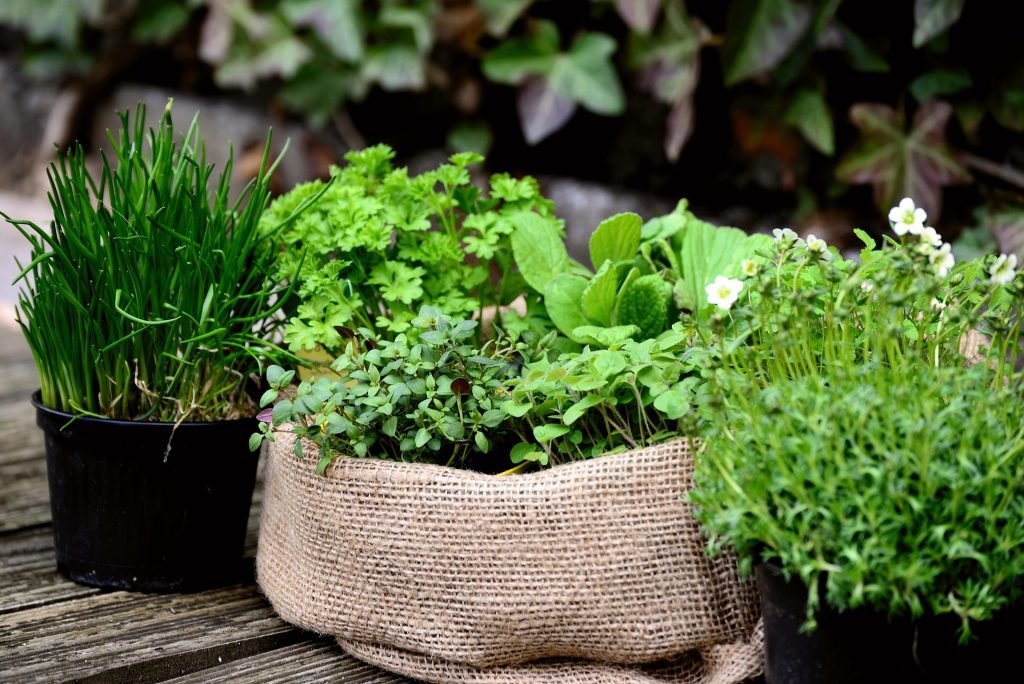
Choose things that you like to eat. That way, you’ll enjoy growing and using them in your kitchen.
Section 4: Benefits of Starting or Supporting an Agro Farm

Agro farms do more than just grow food. They help people, nature, and even the economy. Whether you start your own small farm or support a local one, there are many good reasons to do so.
1. Fresh and Healthy Food
Food from agro farms is often more fresh and natural than store-bought items.
- No harmful chemicals
- Grown close to home
- Tastes better and is full of nutrients
2. Saves Money in the Long Run
Growing your own vegetables, fruits, or herbs can reduce your grocery bills over time.
- No need to buy everything from the market
- Use kitchen waste as compost
- Reuse rainwater or natural resources
3. Helps the Environment
Agro farms protect the earth by using eco-friendly methods.
- Reduce pollution by avoiding harmful chemicals
- Save water with drip irrigation and rainwater harvesting
- Improve soil health with compost and crop rotation
4. Creates Jobs and Local Business
Supporting agro farms can help farmers earn a living and build strong local communities.
- Boosts small farms and local markets
- Opens new jobs in farming, selling, and transport
- Encourages young people to learn farming skills
5. Good for Mental and Physical Health
Working with plants and animals is peaceful and relaxing.
- Helps reduce stress
- Gets you moving and active
- Makes you feel proud of growing your own food
6. Builds Food Security
Agro farms make sure we have enough food for the future.
- Less need to depend on faraway places
- Grows food even in small or city areas
- Keeps communities prepared during food shortages
Whether big or small, agro farms offer real benefits. They help people stay healthy, protect nature, and bring fresh food closer to home.
Section 5: How to Get Started with Agro Farming
Starting an agro farm can be easy and fun, whether you’re doing it in your backyard or on a larger piece of land. Here’s a simple guide to help you begin your own agro farming journey.
1. Choose Your Farm Type
First, decide what type of agro farm you want. Will you grow vegetables, fruits, or raise animals? Maybe you want a mix of both.
- Decide if you want a small garden or a larger space
- Consider what grows best in your area (e.g., tomatoes, lettuce, chickens)
- Think about what you like to eat or sell
2. Prepare the Land
Make sure your land is ready for planting. This could mean cleaning up your backyard, building garden beds, or preparing the soil.
- Clear weeds and debris
- Test the soil to check if it’s healthy
- Add compost or organic matter to improve soil quality
3. Pick What to Grow or Raise
Now, decide on the plants or animals you want to have. Start with easy-to-grow crops and animals that suit your space and climate.
- Start with easy crops like lettuce, tomatoes, or herbs
- Consider raising small animals like chickens for eggs or goats for milk
- Think about seasonal crops to plant throughout the year
4. Get the Right Tools and Equipment
You’ll need a few tools to help you get the job done. These don’t have to be expensive, and some tools can even be made at home.
- Gardening tools like a shovel, rake, and watering can
- Containers or raised beds for planting
- A simple irrigation system to water your plants
5. Start Small and Learn Along the Way
Don’t worry about having a big farm at first. Start small, learn from your mistakes, and grow your farm over time.
- Begin with a small garden or a few animals
- Learn from local farmers or online resources
- Watch your farm grow and improve each season
6. Stay Consistent and Be Patient
Farming takes time, but with regular care, you’ll see great results. Stay patient and keep improving your farm every year.
- Water your plants regularly
- Protect your crops from pests
- Keep learning new techniques
Starting an agro farm doesn’t have to be complicated. By taking small steps and learning along the way, you can create a thriving, healthy farm right at home.