
Introduction: Why Start a Mini Agro Farm at Home?
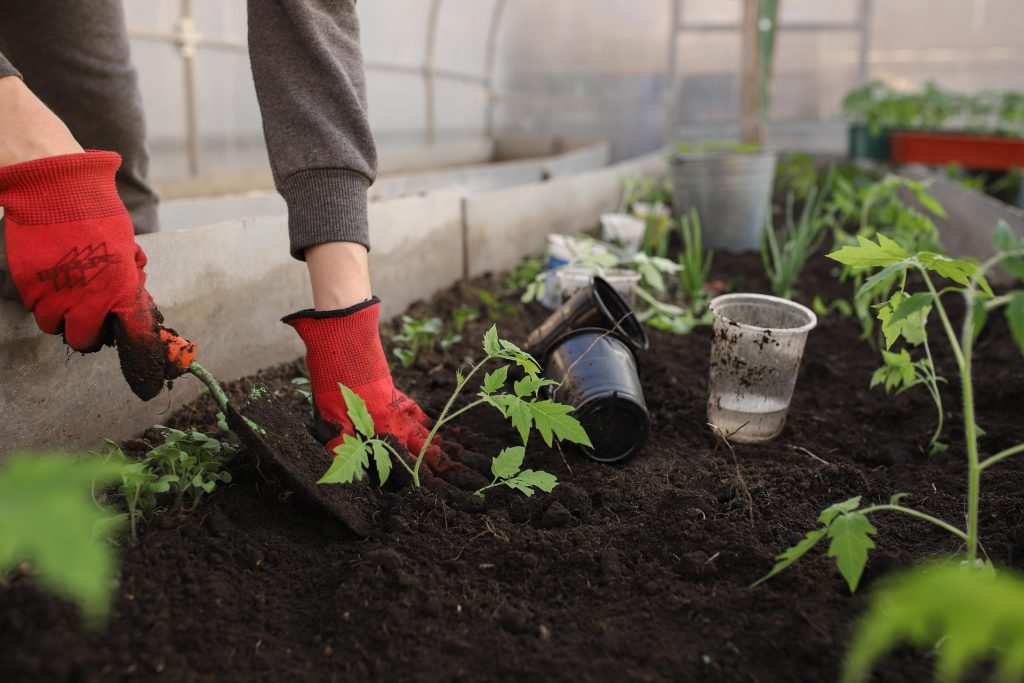
Have you ever thought about growing your own vegetables right in your backyard? It’s easier than you think! A mini agro farm means using a small space behind your house to grow healthy food like tomatoes, spinach, or even herbs like mint and coriander. You can even keep a few chickens if you want fresh eggs every day!
Many people are starting backyard farms these days—and here’s why:
- You get fresh and healthy food that you grow yourself.
- You can save money by buying less from the market.
- You help the environment by using less plastic and fewer chemicals.
- You feel happy and relaxed when you’re around plants.
- You learn something new while doing something fun!
So, whether your backyard is big or small, you can turn it into a tiny green farm full of life. In this blog, we’ll show you step-by-step how to do it.
Step 1: Assess Your Backyard Space & Plan Your Layout
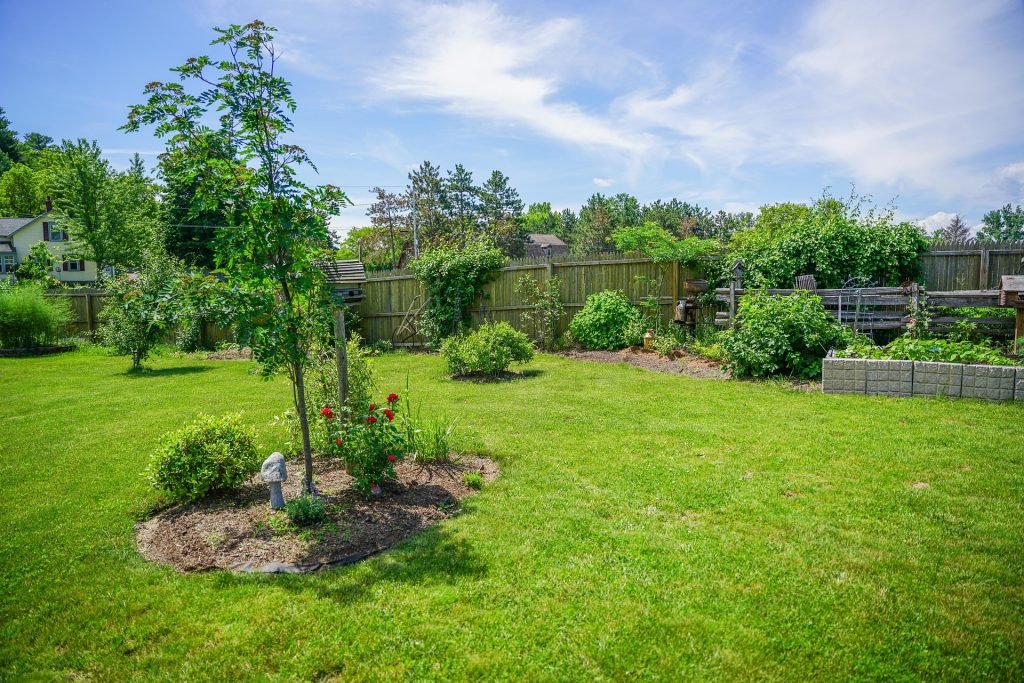
Before you start growing anything, first look around your backyard. It doesn’t have to be big—just a little space is enough!
Here’s what you should check:
- Sunlight: Does the sun shine there for at least 4–6 hours a day? Most plants need sunlight to grow well.
- Soil: Is the ground soft and not full of rocks or trash? You can even use pots or buckets if the soil isn’t good.
- Water: Is it easy to carry water there or connect a pipe? Plants need regular watering.
- Space: Do you have space to walk between the plants without stepping on them?
Now, it’s time to make a simple plan like drawing your dream garden on paper.
Try this:
- Decide where to grow vegetables (like in rows or pots).
- Choose a spot for a compost area (where you throw food waste to make natural fertilizer).
- Keep a small path to walk around without disturbing the plants.
Step 2: Choose What to Grow – Crops, Herbs, or Chickens?
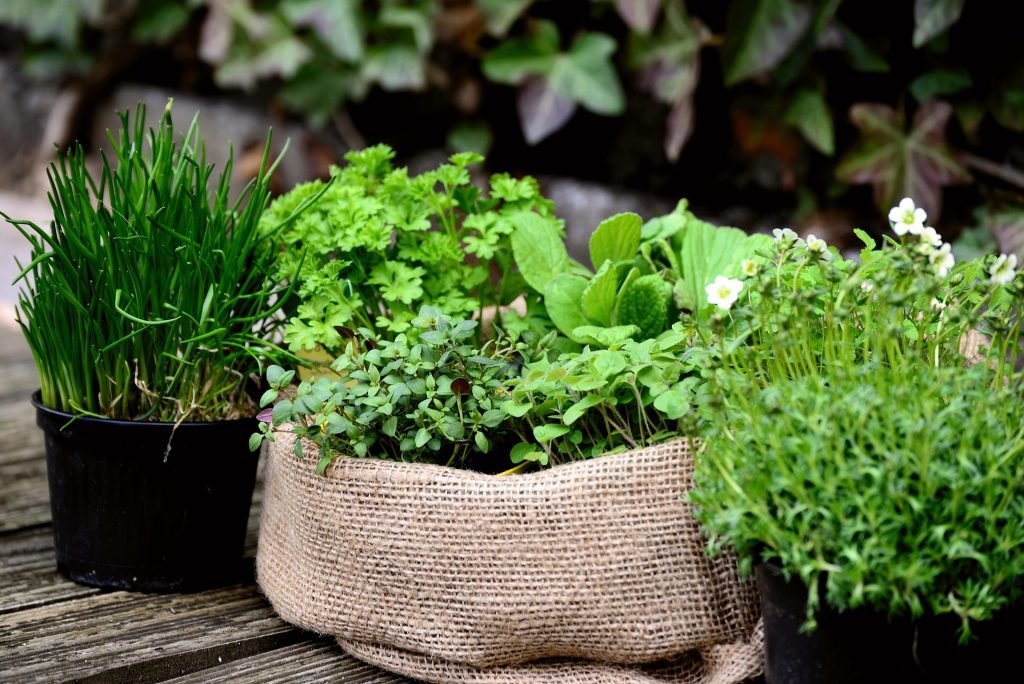
Now that your backyard is ready, it’s time to decide what you want to grow. You don’t need to grow everything at once. Start small and simple.
Vegetables are a great start. You can grow things you use every day like:
- Tomatoes
- Spinach
- Beans
- Potatoes
- Carrots
These are easy to grow and don’t need much space.
You can also grow herbs, which are small plants that add flavor to your food. Some good ones to try:
- Mint
- Coriander
- Basil
- Garlic leaves
They grow quickly and smell great too.
If you have enough space and live in a place where it’s allowed, you can also keep 2 or 3 chickens. They don’t take much space and give you fresh eggs. Their waste also helps your plants grow better when turned into compost.
To save space, you can:
- Use pots or containers
- Hang plants on walls (vertical gardening)
- Use raised beds made from wood or bricks
Choose things that you like to eat. That way, you’ll enjoy growing and using them in your kitchen.
Step 3: Build & Maintain Your Mini Agro Farm

Now that you’ve picked what to grow, it’s time to build your little farm and take care of it every day.
1. Get Some Basic Tools
You don’t need many tools to start. Here are a few simple things:
- A small shovel or spade for digging
- A watering can or bucket
- Gloves to protect your hands
- A basket to collect vegetables
- A compost bin for waste (you can even make it using a bucket)
2. Make Your Planting Area
You can grow plants:
- Directly in the ground
- In wooden boxes or pots
- In old buckets, bottles, or crates (these save money)
Make small rows or beds where you plant your vegetables. Leave some space to walk around so you don’t step on the plants.
3. Water Your Plants Every Day
Plants need water just like people need food. Water them early in the morning or in the evening. Make sure the soil stays moist but not too wet.
4. Make Your Own Compost
Collect kitchen waste like fruit peels, vegetable scraps, and dry leaves. Put them in your compost bin. After a few weeks, it will turn into natural fertilizer that helps your plants grow strong.
5. Keep Insects Away the Natural Way
Don’t use harmful chemicals. You can:
- Spray neem water to stop bugs
- Grow marigold flowers to protect vegetables
- Pick off insects by hand if there aren’t too many
6. Take Care Every Day
Just like a pet, your mini farm needs daily care. Water it, check for weeds or insects, and enjoy watching your plants grow.
Harvest, Reuse, and Scale: What’s Next?
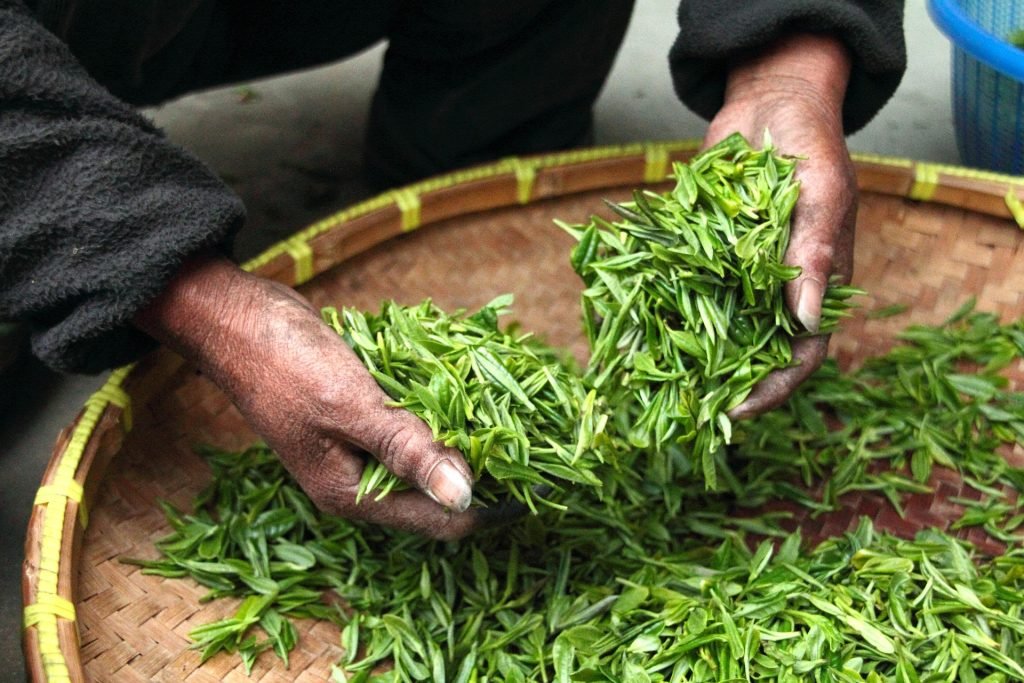
After weeks of caring for your plants, you’ll start to see vegetables, herbs, or even eggs (if you have chickens). Now it’s time to enjoy the results and think about what to do next.
1. How to Know When to Harvest
Each plant grows at a different speed. Here are some simple signs:
- Tomatoes turn red and soft
- Spinach leaves look big and green
- Carrots are ready when the top sticks out of the soil
- Herbs smell strong and leafy
Use scissors or your hands to pick them gently. Be careful not to hurt the plant.
2. Don’t Waste Anything
Use what you pick in your kitchen. If there’s extra, give some to neighbors or friends. You can also dry herbs or pickle some vegetables to save for later.
3. Keep Growing – Use What You Have
After harvesting, don’t throw away the roots or soil. You can:
- Use the old soil with fresh compost
- Replant seeds from your own vegetables
- Save strong stems or cuttings to grow again
4. Scale Your Mini Farm
Once you get used to growing things, you can make your farm bigger:
- Add more pots or beds
- Try growing something new like strawberries or cucumbers
- Use your rooftop or balcony
- Try growing microgreens indoors (they grow fast and don’t need much space)
5. Even Sell What You Grow
If you grow a lot and have extra, you can sell to:
- Neighbors
- Local markets
- Online groups or small food shops
This way, your mini agro farm can turn into a small income source.